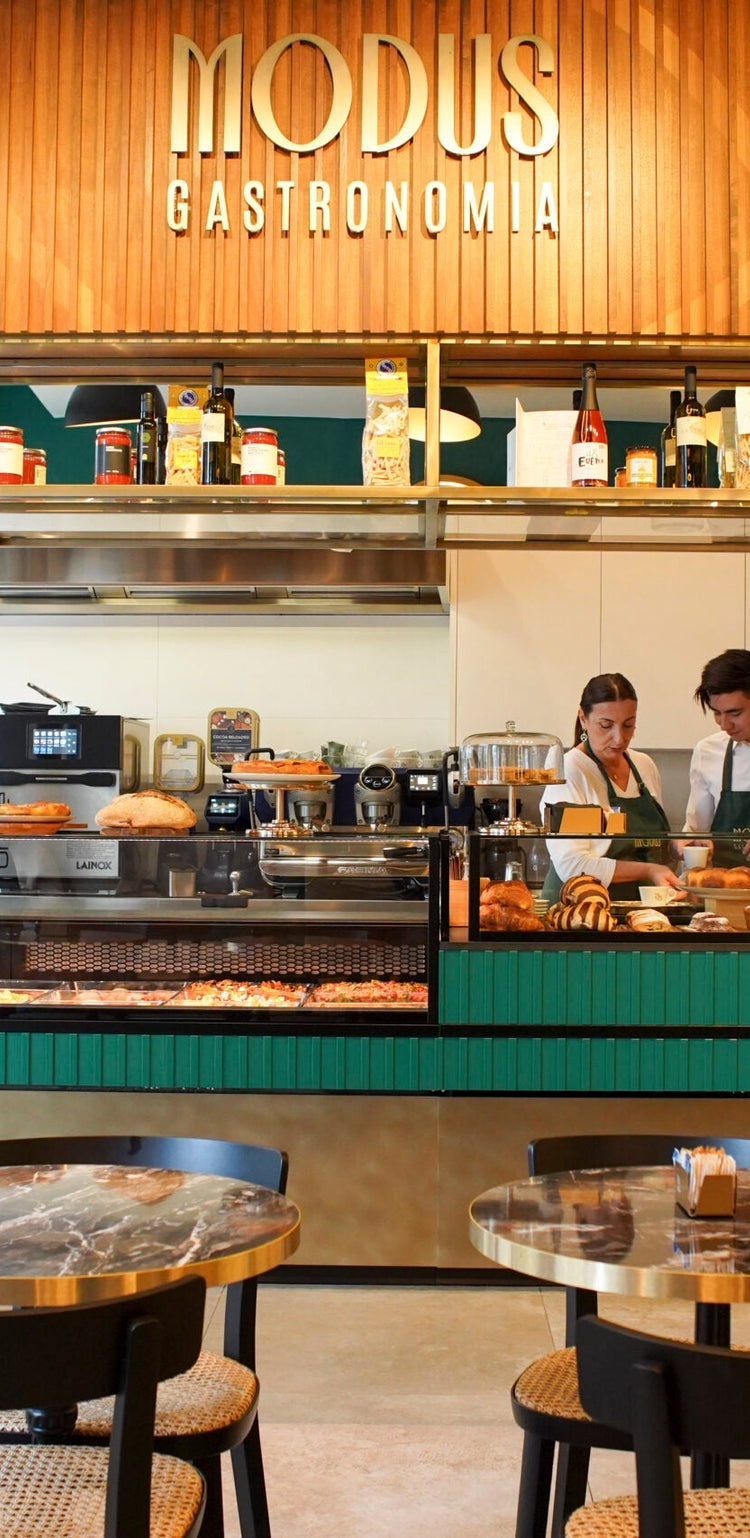
More than 20 producers from Cilento
The Modus supply chain
We choose our producers one by one. It is a selection that has grown over time, built with experience and knowledge of the territory.

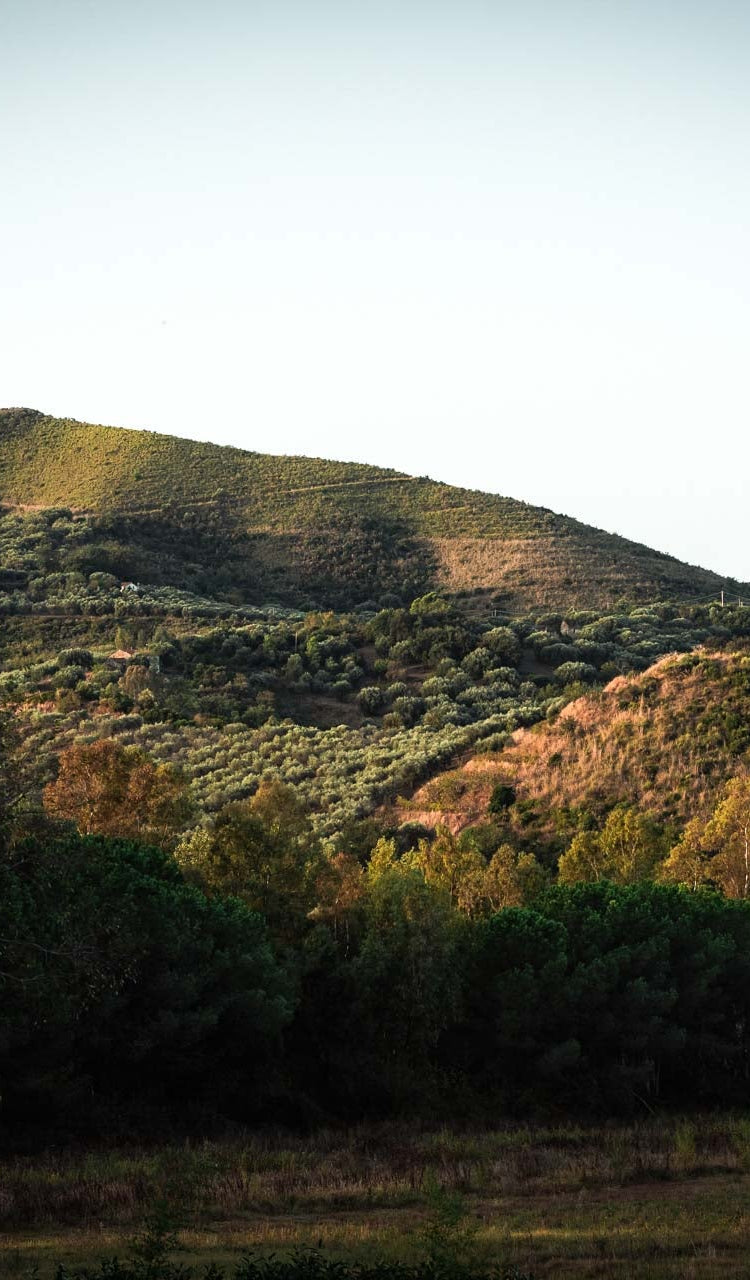
WHO IS BEHIND EVERY PRODUCT
From the fields of Cilento to the workshops of Gragnano, every producer brings knowledge and a product into our kitchens. Here you will find their stories, the places where they work, and the ingredients we use every day in our dishes.
Aura
Bluefin tuna, Albacore
Cammarano Lucia Agricultural Farm
Durum wheat flour, whole wheat flour
Rotolo Wineries
Le Ghiandaie, Valentina
Cardone
Infilatelle di fichi
Cobellis
Piscriddi, Thumos
Erbe Cilento
Herbal teas, Herb box
Fattoria Ambrosio
ALFA, CRUX, RISERVA, IDRA
Ferrante
Controne beans, Ciccimaritati
Francescantonio Cavalieri
Hulled emmer, Honey
Gioi Società Agricola
Soppressata, Capicola, Sausage
Iannicelli
Progresso, Avanzamento
L'Orto del Cilento
Cicerale chickpeas
Luigi Maffini
Kleos Aglianico, Kratos
Madonna dell’Olivo
EVO oil blend
Maida
Peeled tomatoes, Tomato purée
Marino
Menaica anchovies, Anchovy sauce
Pastificio Gentile
Paccheri, Candele, Spaghettone
Salella
Bruised olives
Storie di Pane
Bread, Cantucci, Cookies
Tenuta Principe Mazzacane
Goat's milk cacioricotta
Terra Dura
Fusilli, Cavatelli, Carob pasta
Theodora
Lemon liqueur, Erba Luisa, Figs

PALINURO, CILENTO, CAMPANIA

Luca Cella grew up between the sea of his mother’s family, fishermen for generations, and the land of his father, Mario. In 2015, he opened his workshop in Palinuro: the tuna is cooked in water and preserved in Cilento extra virgin olive oil, following the recipes that local women have used at home for generations.

ROCCADASPIDE, CALORE VALLEY, CAMPANIA

In Roccadaspide, in the Calore Valley, the Cammarano Lucia farm mills two types of durum wheat flour: a classic one for pizza, bread, and fresh pasta, and a whole-wheat version, also worth trying for bread and focaccia. To find out the origin of the wheat and the batch details, please refer to the packaging.

RUTINO, CILENTO, CAMPANIA

The Rotolo family has been making wine in Rutino for three generations: Alfonso's grandfather planted the first vineyard in 1938. Alfonso works with Fiano and Aglianico, and in the 90s he was among the first to establish Fiano as the white wine of the region. Valentina is his Fiano, Le Ghiandaie his Aglianico.

PRIGNANO CILENTO, CAMPANIA

Tenuta Marchese Cardone was established in the 1970s on Grandfather Franco's land. In the late 1990s, his daughter Nicolina planted the Cilento white fig; today, there are 1,600 trees. The figs are sun-dried in August and September and become Infilatelle, either classic or stuffed with walnuts and almonds.
VALLO DELLA LUCANIA, CILENTO, CAMPANIA

In Vallo della Lucania, the Cobellis family owns about 300 hectares of olive groves, livestock farms, and vineyards. Massimo Cobellis has dedicated a portion of the land bought by his father in the 1970s to vines; the first bottling dates back to 2006. Piscriddi, made from Barbera, Sangiovese, and Aglianico, is produced in the Vigna dei Russi; Thumos, a pure Greco, in the Vigna delle Starze.

GIOI, CILENTO, CAMPANIA

Eleonora, a pharmacist, and Tony, an agricultural expert, left Milan in 2018 to found Erbe Cilento in Gioi. They hand-pick medicinal herbs in the early morning and dry them on «graddecedde», traditional Cilento racks. Their herbal teas are organic and carry the Park's seal.

SALENTO, CILENTO, CAMPANIA

Fattoria Ambrosio has been producing olive oil in Salento since 1938 and is led by third-generation owner Massimo Ambrosio. In 2025, Flos Olei named it Company of the Year; its RISERVA won the Leone d'Oro Blend Italia 2020, the Sol d'Oro, and the Tre Foglie from Gambero Rosso.

CONTRONE, CILENTO, CAMPANIA

In the 1980s, Michele Ferrante began recovering local varieties that were disappearing in Controne, on the slopes of the Alburni mountains: beans, chickpeas, grass peas, and spelt. Today, he works with his three children and does almost everything by hand. He is the source of the Controne beans and the cicci maritati.

ROCCAGLORIOSA, CILENTO, CAMPANIA

In Roccagloriosa, at the foot of Mount Bulgheria, the Cavalieri family has been raising bees since the 1980s, between the Mingardo and Bussento valleys. The honey is extracted from the combs, left to settle, and goes into the jar just as the bees made it. Cavalieri also provides hulled spelt.

GIOI, CILENTO, CAMPANIA

Raffaello Palladino and Marco Infante founded the artisanal cured meat workshop in Gioi in 2007, to give a future to the local soppressata. The laboratory is located at almost 700 meters, among the oaks, chestnut trees, and olive groves of the National Park. The soppressata has a strip of lard in the center: it is the only larded salami from Campania and is a Slow Food Presidium.

CERASO, CILENTO, CAMPANIA

The Iannicelli family has been growing olive trees in Ceraso since 1898 and is now in its fifth generation, with trees that are about four hundred years old and certified organic oil. In the nineteenth century, Enrico Iannicelli exported oil as far as South America under the brands Progresso and Avanzamento, which today return to the labels.

CILENTO, CAMPANIA
L'Orto del Cilento
The L'Orto del Cilento farm produces Cicerale chickpeas, a Slow Food Presidium.
CASTELLABATE, CILENTO, CAMPANIA

In the 1970s, Luigi Maffini's father planted the first vines. In 1996, Luigi and his wife Raffaella bottled the first Kratos, their Fiano. Today, they cultivate vineyards in Castellabate, near the sea, and on the hills of Giungano and Trentinara, using organic methods. Kleos is their Aglianico, aged in oak barriques.

SERRE, PROVINCE OF SALERNO, CAMPANIA

In Serre, Antonino Mennella cultivates over two thousand olive trees on six hectares of land near the sanctuary from which the farm takes its name. The olives are hand-picked, pitted, and cold-pressed in the company's own mill. The oil is stored under nitrogen to protect it from oxidation.

PAESTUM, CILENTO, CAMPANIA

Francesco Vastola founded the Maida farm in Paestum, on the plain just a stone's throw from the Greek temples, and today runs it together with his son Fabrizio. He was the first to replant the Capaccio yellow tomato in the area, a nearly abandoned variety that he succeeded in having included in the Regional Register of Genetic Resources.

PISCIOTTA, CILENTO, CAMPANIA

Donatella Marino and her husband Vittorio Rambaldo owned a restaurant in Pisciotta. In the 90s, Vittorio returned to fishing with the menaica net, a technique he learned as a child from his father Vincenzo, and Donatella began processing the anchovies into preserves. The Menaica anchovies are among the first Slow Food Presidia.

GRAGNANO, CAMPANIA

The Gentile brand was founded in Gragnano in 1876. In the 1980s, the Zampino family took it over: pasta maker Natale Zampino began with hand-crafted fusilli, and today the company is led by his son Alberto. The pasta is dried slowly using the Cirillo method and packaged by hand at the "Il 1650" factory in the Valley of the Mills.

SALENTO, CILENTO, CAMPANIA

The history of our family olive groves begins in the first half of the 19th century, when Felice Bianchi planted olive and fig trees on the lands of Salento. In 2000, the Salella organic farm was established. Today, it cultivates over 3,000 olive trees, mainly of the Salella variety, and prepares the "ammaccate" olives that you find here.

VALLO DELLA LUCANIA, CILENTO, CAMPANIA

Paolo De Simone opened Storie di Pane in Vallo della Lucania in 2010. A bakery, gourmet shop, rotisserie, café, and wine bar coexist around the wood-fired oven hand-built by master craftsman Stefano Ferrara of Naples. Ancient Cilento grains are stone-ground as whole kernels, including the germ and bran.

OMIGNANO, CILENTO, CAMPANIA

Annacarla Tredici and Andrea Giuliano quit their jobs in 2018 to raise goats on the lands of Lustra and Omignano, which once belonged to Giulio Cesare Mazzacane, who was named a prince in 1649. Today, they organically raise the Cilentana goat, a breed that had almost disappeared. Their milk is used to make cacioricotta.

CILENTO, CAMPANIA

Terra Dura is handmade by an artisanal pasta factory in Cilento using 100% Italian wheat, 50% of which is from Cilento. From the Cilento peasant kitchen come fusilli, cavatelli, lagane, and carob pasta, made with durum wheat and carob flour.

CENTOLA, CILENTO, CAMPANIA

Theodora is an artisanal liqueur distillery in Centola, the municipality of Palinuro. It makes its liqueurs using the herbs and fruits that grow around the workshop: lemon verbena from the Mediterranean scrub, the Dottato white fig, and lemons from the Cilento Coast, grown on pergolas and peeled by hand one by one.