On November 16, 2010, UNESCO inscribed the Mediterranean Diet on the Representative List of the Intangible Cultural Heritage of Humanity. The recognition concerns an entire way of eating and living. Fourteen years later, that recognition is even more relevant: scientific evidence on the benefits of the Mediterranean Diet continues to accumulate, the reference territories continue their conservation work, and projects like Modus bring this tradition into new contexts.
What is the UNESCO Mediterranean Diet anniversary?
The UNESCO Mediterranean Diet anniversary falls on November 16 each year, the date of its original 2010 inscription. On this day, the reference communities—Cilento in Italy, Soria in Spain, Koroni in Greece, Chefchaouen in Morocco, and, since 2013, Agros in Cyprus, Hvar and Brač in Croatia, and Tavira in Portugal—organize events, celebrations, and initiatives to renew focus on the heritage and to pass on the values and practices of the Mediterranean Diet to younger generations.
In Italy, the hub of these celebrations is the Living Museum of the Mediterranean Diet in Pioppi (SA), in the Cilento region, created by the Municipality of Pollica. Pioppi is the town where Ancel Keys, the American physiologist from the University of Minnesota, lived for decades starting in the 1960s.
How did the Mediterranean Diet become a UNESCO heritage?
The path toward UNESCO recognition began before 2010, bolstered by the research of Ancel Keys and the role of Cilento as an emblematic territory of the Mediterranean lifestyle.
The official candidacy was submitted jointly by Italy, Greece, Morocco, and Spain, and on November 16, 2010, the Intergovernmental Committee meeting in Nairobi approved it. The nomination dossier included documentation on food practices, agricultural traditions, convivial rituals, and the cultural dimension of food in the four countries' communities. UNESCO recognized the Mediterranean Diet as an integrated cultural system with social, ecological, and identity-related dimensions. In December 2013, in Baku, the recognition was extended to Cyprus, Croatia, and Portugal.
Why is Cilento a protagonist of the UNESCO Mediterranean Diet heritage?
Cilento, with Pollica, is the Italian emblematic community for the Mediterranean Diet. Ancel Keys, known for the Seven Countries Study on the correlation between diet and cardiovascular disease, settled in Pioppi, a hamlet of Pollica, and lived there for decades starting in the 1960s, closely observing the diet and health of the local populations.
In those years, Cilento was also one of Italy's poorest territories: its "peasant" cuisine, made of legumes, cereals, vegetables, little meat, and olive oil, was at the same time one of the healthiest diets studied by science. The Cilento, Vallo di Diano and Alburni National Park, recognized as a UNESCO World Heritage site in 1998, protects both the ecosystems and the cultural traditions, including food, that have made Cilento the global reference territory for the Mediterranean Diet.
What has changed in the 14 years since the UNESCO recognition?
In the 14 years following the 2010 recognition, global awareness of the Mediterranean Diet has grown significantly. Epidemiological research has continued to document its benefits for longevity, cardiovascular health, prevention of diabetes and obesity, and reduction of dementia risk. The Mediterranean Diet has become the dietary model most recommended worldwide by health institutions.
In Cilento, the recognition has supported the promotion of local products and contributed to the spread of brands and certifications—PDO, PGI, Slow Food Presidia—that protect traditional production. It has also strengthened Cilento's gastronomic tourism and international interest in local producers. Projects like Modus, which bring Cilento ingredients into metropolitan contexts like Milan, are partly the cultural result of this recognition.
How does Modus celebrate the Mediterranean Diet anniversary?
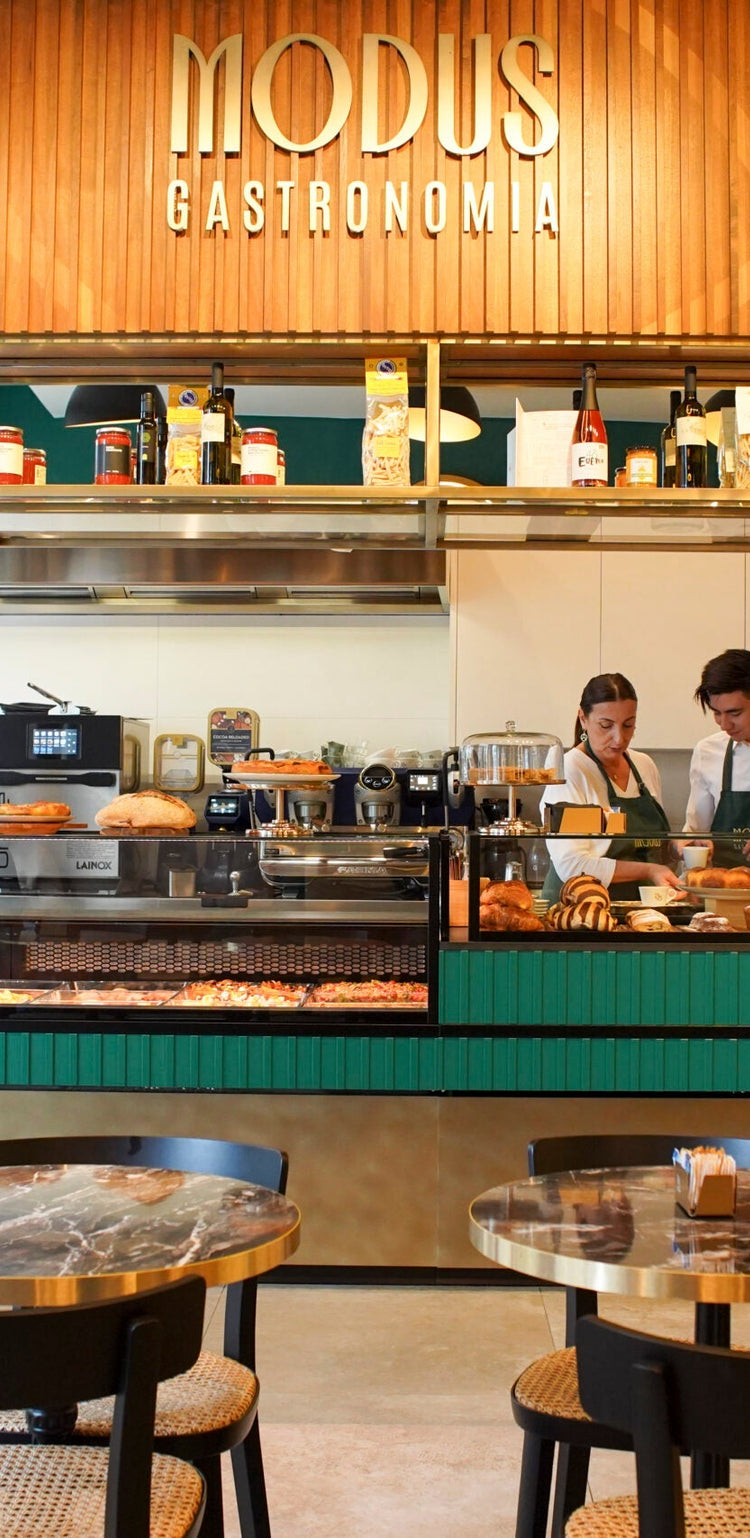
Modus celebrates the Mediterranean Diet anniversary every day, through its daily work. Every Cilento-style pizza "like in the old days," kneaded with sourdough and whole-wheat flour from indigenous Cilento grains, and every dish served with ingredients from a direct supply chain are a concrete form of celebrating the UNESCO heritage.
This is also the meaning of Paolo De Simone's appointment as Ambassador of the Mediterranean Diet in the World, received on November 17, 2024, in Pioppi: the recognition of professional activity consistent with the heritage's values. Every day that Modus opens, the Mediterranean Diet is experienced and passed on in Milan.
What is the future of the Mediterranean Diet as cultural heritage?
The future of the Mediterranean Diet as UNESCO heritage depends on how much new generations in the reference territories continue to practice it. The pressure of globalized eating habits, the availability of ultra-processed food, and changing lifestyles put local food traditions under pressure throughout the Mediterranean.
Projects like Modus, which take Cilento cuisine out of Cilento without diluting it, are part of the answer: they demonstrate that the Mediterranean Diet is contemporary, desirable, and competitive even in contexts different from its origins. Tradition is preserved by continuing to use it, every day, with real ingredients and real producers. This is what Modus does.
Frequently asked questions
When was the Mediterranean Diet recognized as UNESCO heritage?
On November 16, 2010, during the fifth session of the UNESCO Intergovernmental Committee in Nairobi. The candidacy was presented by Italy, Greece, Morocco, and Spain; in December 2013, the recognition was extended to Cyprus, Croatia, and Portugal.
Who was Ancel Keys?
Ancel Keys, who lived from 1904 to 2004, was an American physiologist from the University of Minnesota. He is known for the Seven Countries Study, a long-term epidemiological study that documented the correlation between the Mediterranean Diet and a low incidence of cardiovascular disease. He lived in Pioppi, in the Cilento region, for decades starting in the 1960s.
How old is the Mediterranean Diet's UNESCO heritage?
The recognition dates back to November 2010, so in 2024, the Mediterranean Diet turned 14 years old as UNESCO Intangible Cultural Heritage.
Where is the Mediterranean Diet Museum located?
The Living Museum of the Mediterranean Diet is located in Pioppi, a hamlet of Pollica (SA), in the Cilento region. It was created by the Municipality of Pollica and promotes Mediterranean food education. Pioppi is the town where Ancel Keys lived for decades.