In 2010, UNESCO included the Mediterranean Diet on the Representative List of the Intangible Cultural Heritage of Humanity. It was the official recognition of something that Mediterranean communities have known for millennia: that the way we grow, cook, and eat together is culture, identity, and history. In December 2025, UNESCO also inscribed Italian cuisine with a separate recognition. In Milan, Modus carries on this tradition through ingredients, doughs, and supply chains.
What is the UNESCO Intangible Cultural Heritage for Italian cuisine?
UNESCO Intangible Cultural Heritage concerns practices, expressions, knowledge, and skills passed down from generation to generation. For Italy, there are two distinct recognitions related to food. The first is the Mediterranean Diet, inscribed on November 16, 2010, through a multinational nomination, as a set of social practices, rituals, and knowledge related to food: from the choice of ingredients to meal preparation, sharing the table, and the cycle of agricultural seasons. The second is Italian cuisine, inscribed in December 2025 with the nomination "Italian cuisine between sustainability and biocultural diversity."
The emblematic communities of the Mediterranean Diet are Cilento for Italy, Soria for Spain, Koroni for Greece, and Chefchaouen for Morocco. In December 2013, Agros in Cyprus, Hvar and Brač in Croatia, and Tavira in Portugal were added. In these places, the Mediterranean Diet is still lived as a daily lifestyle. Cilento, with Pollica, is the only Italian emblematic community: Ancel Keys, the American physiologist of the Seven Countries Study, lived for decades starting in the 1960s in Pioppi, a hamlet of Pollica.
Why was the Mediterranean Diet recognized by UNESCO?
The 2010 UNESCO recognition was granted for three fundamental reasons. The first is the nutritional and scientific value of the Mediterranean Diet: decades of epidemiological research have demonstrated its benefits for cardiovascular health, longevity, and the prevention of chronic degenerative diseases. The second reason is cultural: the Mediterranean Diet is a system of values, conviviality, seasonality, and respect for the territory, which goes well beyond the composition of a dish. The third is environmental: the Mediterranean diet is by definition sustainable, founded on local production, agricultural biodiversity, and natural cycles.
In Cilento, the Living Museum of the Mediterranean Diet in Pioppi (SA), created by the Municipality of Pollica, promotes knowledge of this heritage and Mediterranean food education.
What is the role of Cilento in the UNESCO Mediterranean Diet heritage?
Cilento is the Italian emblematic community for the Mediterranean Diet, and it is the territory where Ancel Keys chose to live for decades. Cilento combines an ancient agricultural tradition—legumes, ancient grains, vegetables, extra virgin olive oil, and bluefish—with an ecosystem protected by the Cilento, Vallo di Diano and Alburni National Park, which was itself recognized as a UNESCO World Heritage site in 1998.
Products coming from this territory carry this history with them: the ancient grains grown by the Park's Guardian Farmers, the Menaica anchovies (a Slow Food Presidium), the mozzarella nella mortella, the chestnut honey, and the oil from the Pisciottana cultivar. Each of these ingredients is a node in a cultural and agricultural network that UNESCO deemed worthy of protection.
How does Modus Milano celebrate UNESCO Heritage every day?
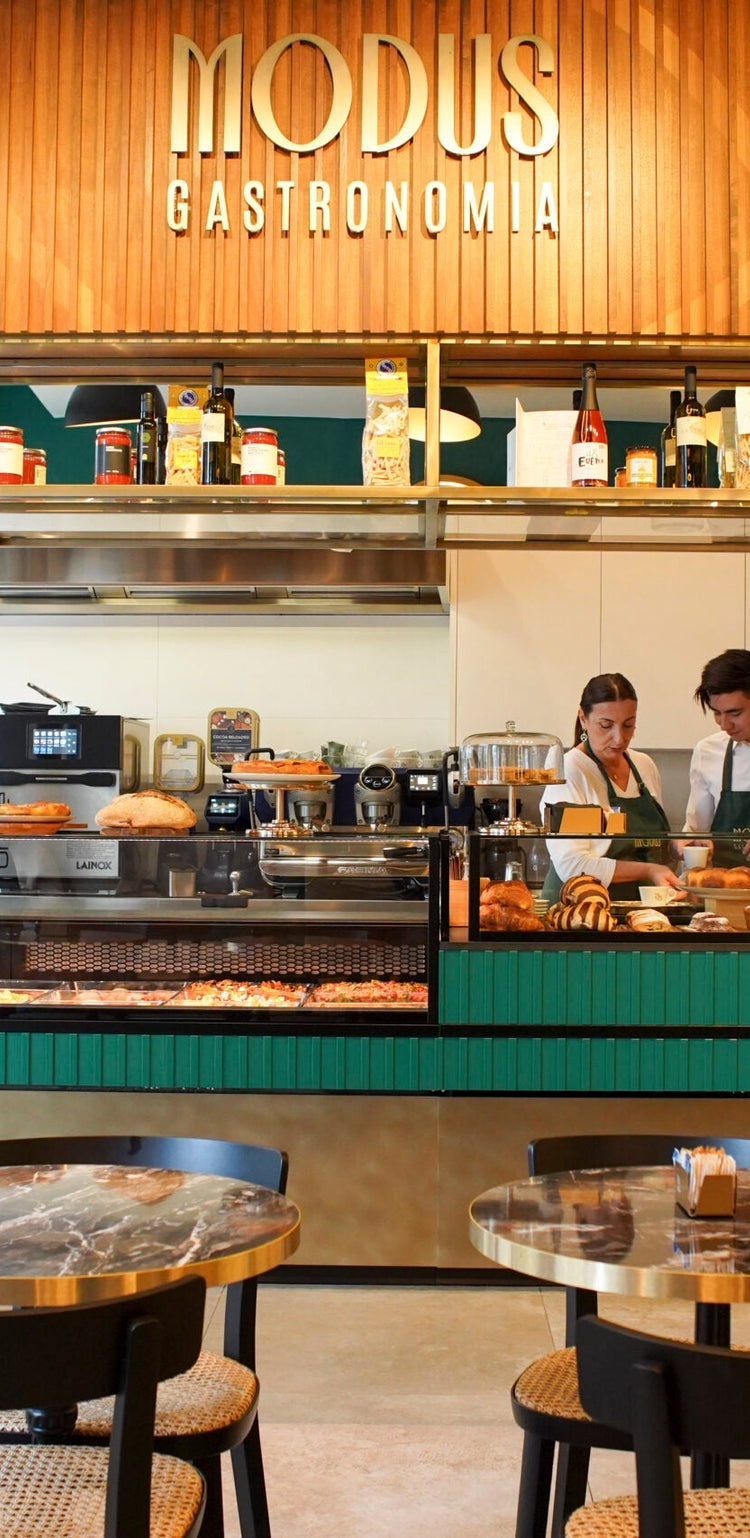
Modus celebrates UNESCO Heritage every day because every day it works with the same Cilento producers who embody that heritage. The pizzerias on Via Andrea Maffei and Corso Magenta offer two styles of dough, with resting times between 36 and 48 hours: contemporary pizza with type 0 and type 1 Mulino Caputo flours, and Cilento-style pizza "like in the old days," with sourdough and stone-ground whole wheat flour from indigenous Cilento grains. Tomatoes and preserves come from small-scale agricultural businesses in Cilento.
The Modus gastronomy shops, in Corso Italia and Via Pirelli, offer a daily menu that changes according to the seasons and the pace of deliveries from producers: the same authentic, humble cuisine that has fed Cilento communities for centuries is brought to the table in the center of Milan, without mediation and without compromising on quality. Soon this approach will arrive at your home as well.
Who is Paolo De Simone and what is his connection to the Mediterranean Diet?
Paolo De Simone was born in Pisciotta, in Cilento. It is here that he learned to make bread with sourdough, to choose local cereals, and to work with producers he knows by name. In 2010, he founded Storie di Pane in Vallo della Lucania, a bakery and shop that became the benchmark for Cilento food craftsmanship. In May 2022, he opened Modus in Milan.
De Simone's journey has been institutionally recognized: on November 17, 2024, in Pioppi, he was named Ambassador of the Mediterranean Diet in the World. He earned the Tre Spicchi (Three Slices) award from Gambero Rosso in their Pizzerie d'Italia guide, and at the 2025 Pizza Awards Italia, he entered the top 50 in Italy, ranking 37th. More than the awards, what counts is the consistency: Modus brings the flavors of Cilento to Milan along with the network of people, land, and practices that produce them.
Where can you experience UNESCO cuisine in Milan?
Those who want to encounter the Mediterranean Diet in its most authentic form in Milan have four Modus locations at their disposal. The two pizzerias, at Via Andrea Maffei 12 and Corso Magenta 25, offer a menu that changes according to the seasons and the rhythms of the Cilento supply chain. The two gastronomy shops, at Corso Italia 42 and Via G.B. Pirelli 35, are open for breakfast, lunch, aperitivo, and takeout, with daily Cilento dishes cooked every morning. The gastronomy shop at Via Colonnetta 5 will also be opening soon.
For those not in Milan, the same products used in the kitchens, selected directly from producers in Cilento, are about to arrive at your home.
Frequently Asked Questions
When did Italian cuisine become UNESCO Heritage?
Italian cuisine was inscribed as UNESCO Intangible Cultural Heritage in December 2025, with the nomination "Italian cuisine between sustainability and biocultural diversity." This is a separate recognition from the Mediterranean Diet, which was inscribed in 2010 with Cilento as the Italian emblematic community.
What is the connection between Cilento and UNESCO?
Cilento is the Italian emblematic community for the Mediterranean Diet, a UNESCO heritage since 2010. In Pioppi, where Ancel Keys lived for decades starting in the 1960s, the Municipality of Pollica created the Living Museum of the Mediterranean Diet. Furthermore, the Cilento, Vallo di Diano and Alburni National Park has been a UNESCO World Heritage site since 1998.
Who are the Ambassadors of the Mediterranean Diet?
Ambassadors of the Mediterranean Diet are individuals nominated for their contribution to the promotion and dissemination of the Mediterranean dietary model. Paolo De Simone of Modus Milano received the title on November 17, 2024, in Pioppi, from the Living Museum of the Mediterranean Diet, the Municipality of Pollica, and Legambiente, for his work regarding the Cilento supply chain.
How does Cilento cuisine differ from Neapolitan cuisine?
Cilento cuisine shares certain techniques with Neapolitan cuisine (naturally leavened doughs, the use of tomatoes), but it is distinguished by its ingredients: local ancient grains, legumes, Menaica anchovies, mozzarella nella mortella, and oil from the Pisciottana cultivar are specific products of the Cilento territory.