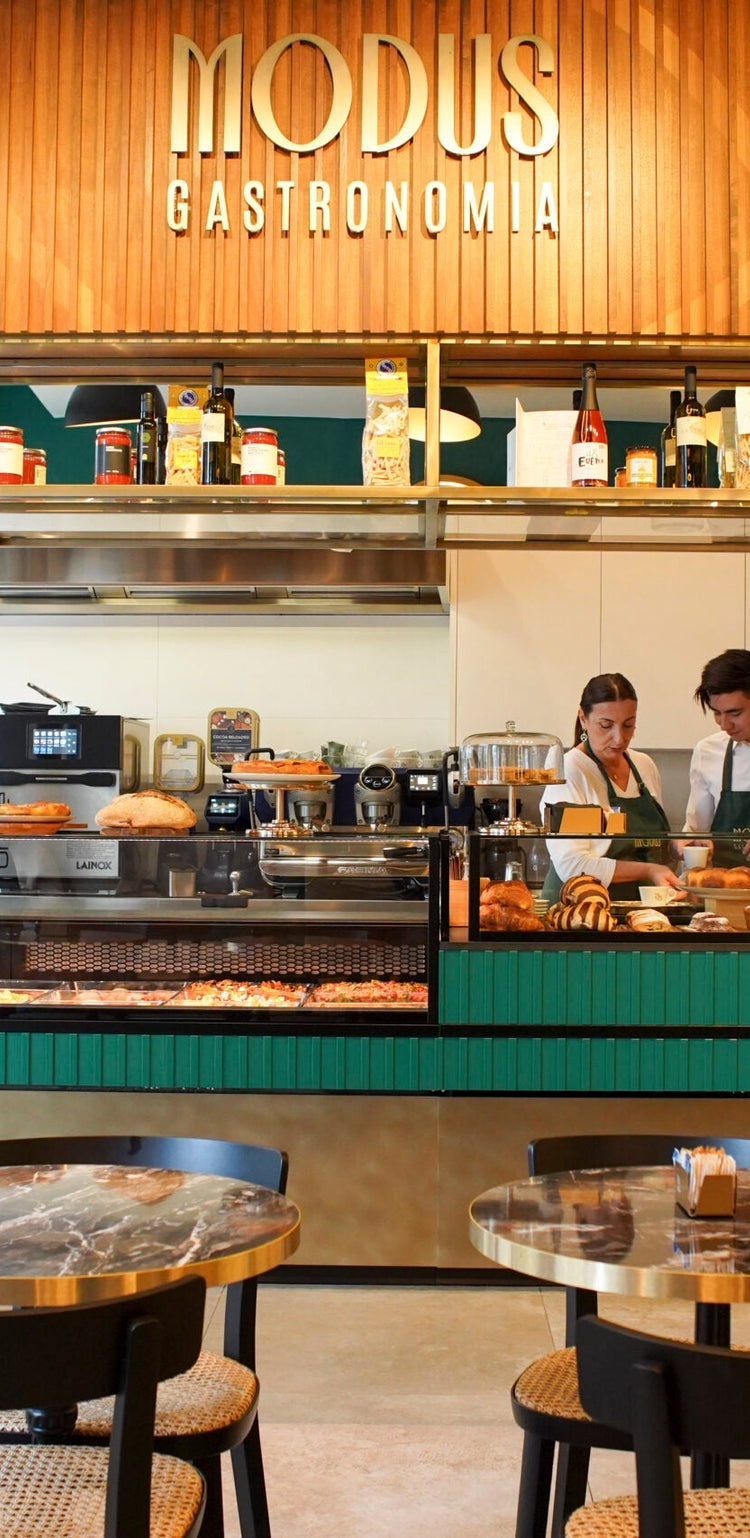
On December 10th, the day Italian cuisine was inscribed as an UNESCO Intangible Cultural Heritage, Modus Pizzeria Milano hosted an evening dedicated to the history and evolution of Mediterranean cuisine, particularly that of the Cilento region. For the first time, this recognition was awarded to an entire national gastronomic tradition, which UNESCO defined as a “cultural and social blend of culinary traditions” capable of expressing love, well-being, and cultural identity through food. The milestone comes after a process that began in March 2023 with the Government’s announcement of the candidacy and a collaborative effort that involved cultural institutions, chefs, academies, and local communities on the front lines. The evening was born from the collaboration between Carla Botta’s communication agency, Carbot Communication, chef Paolo De Simone, and Francesca Carannante’s winery.
“Italian cuisine is a living heritage that belongs to everyone and must be preserved every day,” declared De Simone, founder of Modus and Ambassador of the Mediterranean Diet. “Celebrating the UNESCO recognition means acknowledging the immense human value behind our cuisine: traditions, families, territories, and artisans. This dinner was a tribute to those who carry these values forward every day.”
From Cilento to Milan
Paolo De Simone was born in 1980 in Vallo della Lucania, in the Cilento area of Salerno, the land that in the 1950s welcomed the American scientist Ancel Keys and became a global laboratory for the Mediterranean Diet. Raised amidst the scents of the bakery, he learned the secrets of natural leavening and the value of genuine products from his grandmother.
In 2010, at just thirty years old, he inaugurated Storie di Pane in Vallo della Lucania: a project that integrates an artisanal workshop, café, kitchen, wine shop, and market, with a very strong territorial identity. In 2014 came the DaZero adventure, opened together with partners Giuseppe Boccia and Carmine Mainenti, which expanded from Cilento to various Italian cities. In May 2022, De Simone opened Modus at Via Andrea Maffei 12, in the spaces that had housed the historic Taverna Gourmet, between Porta Vittoria and Porta Romana. The name encapsulates the essence of the project: Modus is the personal “way” of understanding cuisine, thinking about food, and experiencing hospitality.
Success came immediately. As soon as it opened, the pizzeria was awarded “New Pizzeria of the Year” by 50 Top Pizza Italia 2022 and earned 42nd place in the general ranking. In 2024, Modus obtained the “Tre Spicchi” rating in the Gambero Rosso Pizzerie d’Italia guide. In 2017, De Simone had already won the title of Best Pizza Chef in Italy at the “Elementi” competition; in 2024, he was named Ambassador of the Mediterranean Diet by the “Ancel Keys” Living Museum, and the Identità Golose 2025 Pizza & Cocktail guide awarded him the Italy Biodiversity Prize. Today, Modus counts four Milanese locations between pizzeria and gastronomy. “While for the pizzeria we will likely stop at two locations,” says De Simone, “with the gastronomy format, we aim to be present in various parts of the city.”
The evening's menu
The dinner opened with a selection of typical Cilento appetizers: a mix of greens with broccoli, escarole, cardoons, and chicory; ‘mbuttunata eggplant stuffed with eggs, cacioricotta, parsley, and tomato; and cow’s milk mozzarella, which is drier and more compact than the traditional variety.
The stars of the evening were the two most iconic pizzas in De Simone's repertoire: the Marinara Cilentana and the Cilentana. “The Marinara Cilentana represents the authentic pizza my grandmother used to make before baking bread,” the chef explains. “It is made with the same dough as bread: only sourdough and flour from indigenous Cilento grains, stone-ground and 100% whole wheat. A low-glycemic dough, rich in fiber and mineral salts.” The topping combines pacchetelle tomatoes, garlic, olives, anchovies, capers, oregano, and extra virgin olive oil. The Cilentana, on the other hand, features cooked tomato, extra virgin olive oil, and goat’s milk cacioricotta from Tenuta Principe Mazzacane. “It is a pizza that, in its consistency, resembles a pizza baked in a pan,” says De Simone, “but thanks to the manual skill of my pizza makers, we are able to stretch it by hand as well.”
The journey continued with hand-worked cavatelli with broccoli rabe and Menaica anchovies, a Slow Food Presidium caught using an ancient technique that selects only adult specimens, salted and aged according to customs with roots in Greek and monastic history. The main course honored the squid of the Cilento maritime tradition, stuffed with escarole, olives, and potatoes, accompanied by mashed potatoes. To conclude, panettone with mascarpone cream, an homage to Milanese pastry tradition.
Francesca Carannante’s wines
Accompanying the experience were the Classic Method sparkling wines from Oltrepò Pavese by Francesca Carannante. Originally from Bacoli in the Phlegraean Fields, she moved to Milan at twenty-one to study at the Brera Academy of Fine Arts. Her passion for wine was born during a post-graduate experience in Australia: “I started studying it for personal interest,” she recounts, “and once I returned to Italy, visits to the wineries did the rest.” After achieving the three WSET levels, she launched her winemaking project in 2021 with the Pavese winery Fontanachiara and oenologist Marco Maggi. The production focuses on three Classic Method sparkling wines made from 100% Pinot Nero, all aged at least 33 months in the bottle: a Dosaggio Zero, a Rosé Brut, and an Extra Brut.
The Dosaggio Zero, with its elegant olfactory profile featuring citrus notes and floral hints, accompanied the appetizers. The Extra Brut, balanced with hints of white-fleshed fruit and bread crust, lively acidity, and mineral nuances, followed the first and second courses. The Brut Rosé closed with dessert. Francesca’s artistic background is also responsible for the hand-painted bottle crates, which reflect her creative approach and attention to detail.
A heritage to safeguard
During the evening, De Simone led the guests through stories and reflections, emphasizing the educational value of traditional cuisine and the importance of promoting a healthy and sustainable food model capable of respecting seasonality and territories.
“My cuisine is inspired by Cilento’s folk wisdom, a treasure chest of excellent flavors that I combine with the attention, research, and selection of the raw materials of the Mediterranean Diet,” the Modus menu states. UNESCO-recognized Italian cuisine is a system made of traditions, territories, and skills that contribute to the country’s economy and identity. The challenge now is to preserve this wealth, ensuring that innovation and globalization do not compromise its authenticity and values: a recognition that calls upon institutions, producers, and consumers to share a common responsibility.
Sources: Cucina e svago · 20 Italie · Artu magazine